AOMORI
Spring Discovery
Snowmelt thunders through 14km of ancient gorge. Volcanic peaks crack open with spring flowers. Sulfur hot springs have been fixing tired legs for 300 years. This is Japan's wild north in May — raw, green, and completely empty.
Start Planning on WhatsApp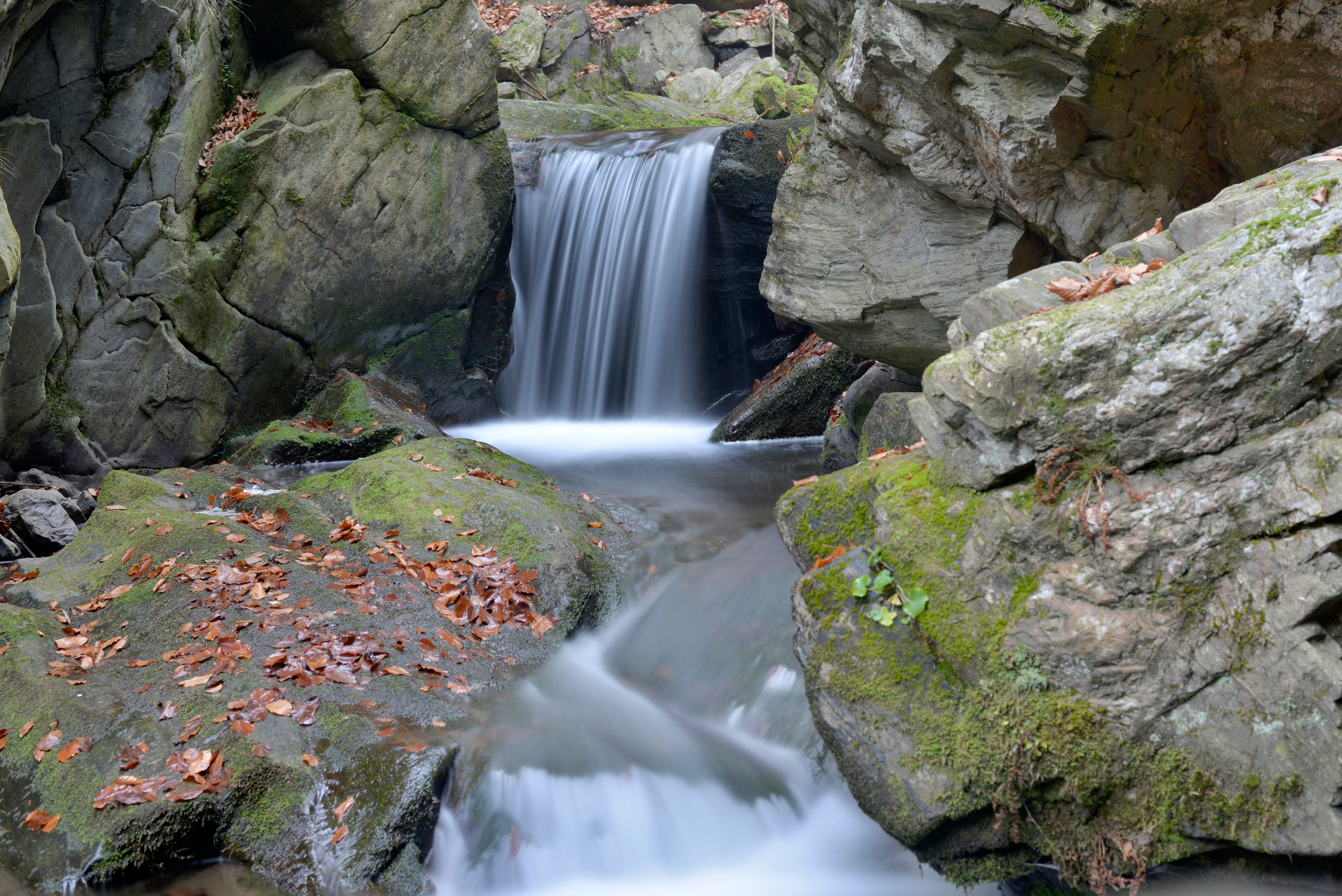

This isn't the Japan you've seen on Instagram.
Aomori is Japan's northern edge of Honshu — wild, quiet, and defined by nature more than neon. Deep forests. Volcanic mountains. The frigid Tsugaru Strait. The air smells like cedar and sea, the apples are the sweetest in Japan, and winters bury everything in snow while summers stay cool and green.
Culture here runs deep: 5,500-year-old Jomon ruins. Nebuta festival floats lit up like demons. A slow pace where locals still forage mountain vegetables and heat baths with sulfur water.
It's not polished like Kyoto. It's raw, seasonal, and made for people who'd rather hear a river than traffic.
May is Aomori's Secret Season.
Here's Why That Matters.
The sweet spot between winter closure and rainy season. Snowmelt makes waterfalls explode. Mountains wake up in fresh green. No crowds, no humidity, no haze — just perfect hiking weather and food you can't get any other month.
Perfect Hiking Weather
8–18°C. No summer humidity, no winter ice. Just crisp mountain air on trails that are empty.
Peak Water + Neon Moss
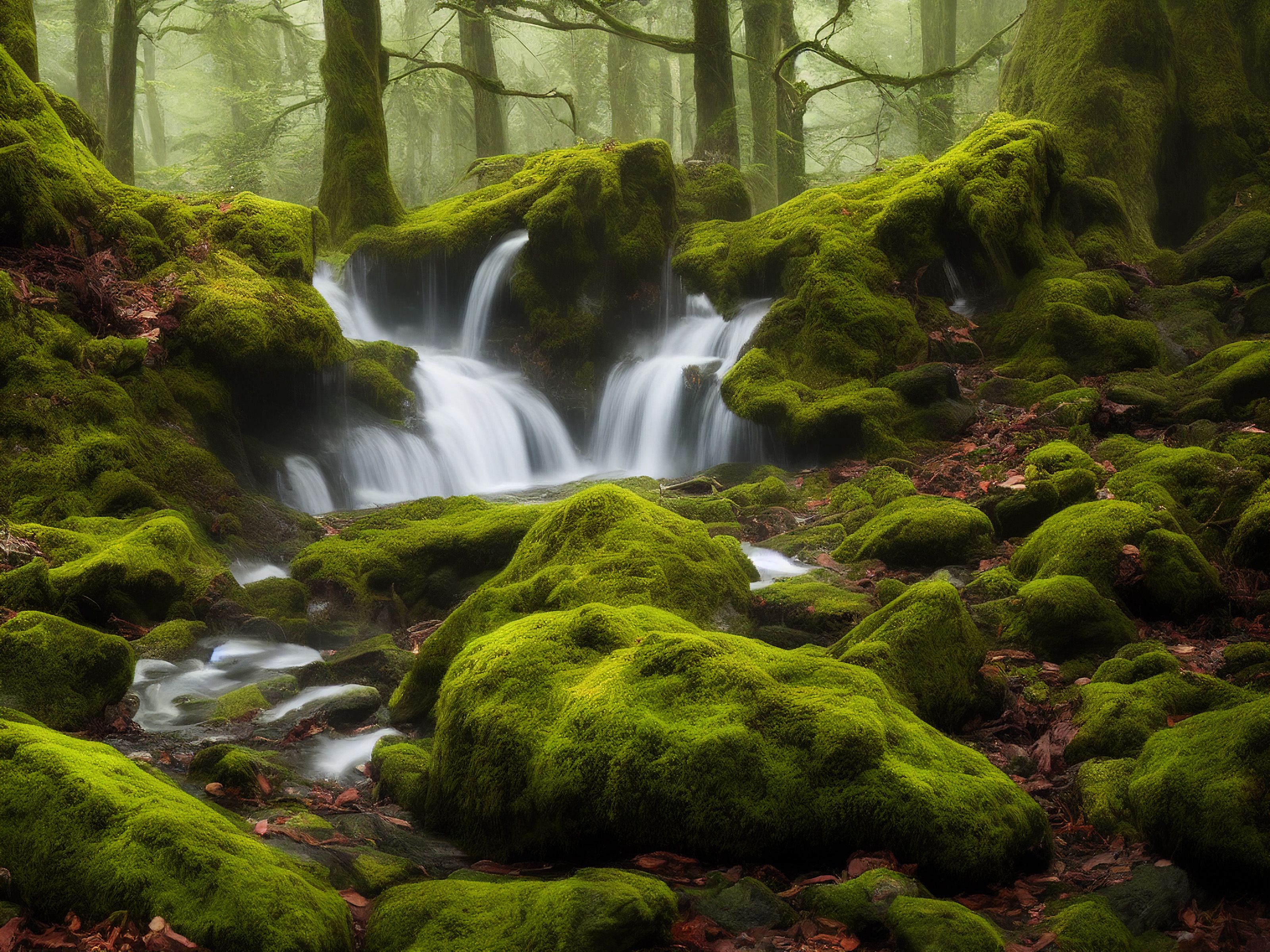
Snowmelt sends Oirase Gorge roaring at full volume. Fresh green moss, beech leaves, wild azaleas everywhere.
Sansai Season
Bitter mountain veg, bamboo shoots, butterbur at every meal. Food that only exists for weeks.
Mirror Ponds, No Crowds
Towada Lake is cobalt blue. Tsutanuma Pond is a perfect mirror — no summer haze, no tourist buses.
This window lasts six weeks. Then it's gone.
14–21 May 2027 · 8 Days / 7 Nights
May in Aomori doesn't wait. The snowmelt dries up, the crowds arrive, and the sansai disappears from menus. If you've been waiting for a sign — this is it.
Message Us on WhatsApp14 Kilometres of Waterfall.
One Trail Through a Painting.
Towada Lake is the source — a 200,000-year-old volcanic crater lake with water so blue it looks photoshopped. Still, deep, and ringed by 1,000m peaks with snow on top in May.
From Nenokuchi, the lake spills into Oirase Gorge. For 14km, the river becomes the main event. The trail is flat and follows the water nonstop: moss-covered boulders, cedar trees, and a waterfall every few minutes.
- Choshi Otaki — thunders 7m wide
- Kumoi no Nagare — slides like silk
- Ashura no Nagare — churns white between rocks named after demons
- 4–6 hours of hiking, but it feels like walking through a Japanese painting that changes every 100m
Snow, Flowers, and Volcanic Steam —
All in the Same View.
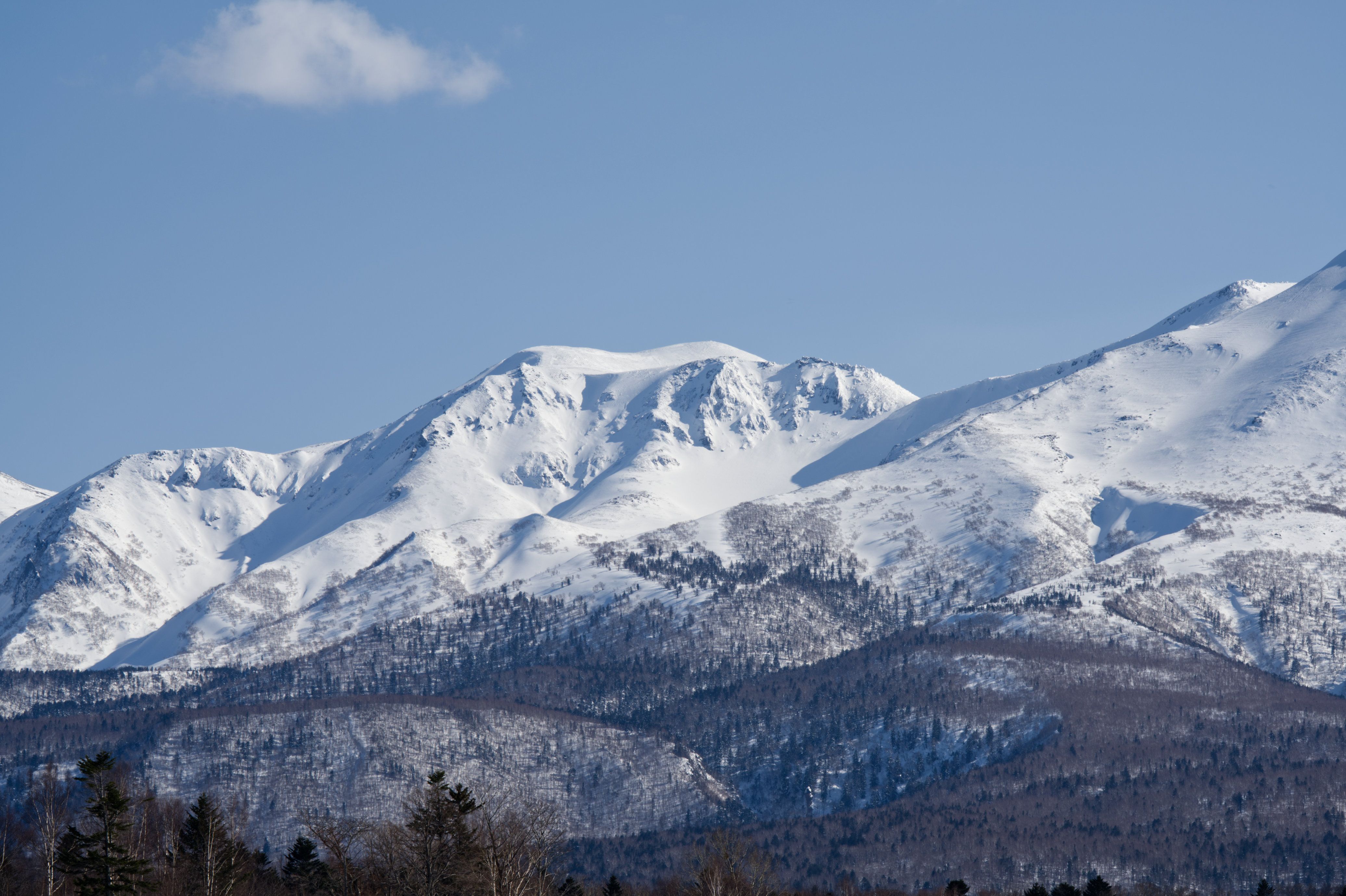
Mt Hakkoda is a volcanic massif with 12 peaks, all raw and steaming. In May, the snow hasn't fully melted, so you get black volcanic rock, white snow, and new alpine flowers in the same frame.
The Hakkoda Ropeway is a 10-minute ride that climbs 1,000m to Sen-nin-daira at 1,324m. At the top, it's an alpine plateau with boardwalks through swamps and snowfields. Towada Lake on one side. Aomori City and the sea on the other.
- 40-minute loop trail — no technical climbing
- Spring is the most dramatic season — the transition
- Summer = wildflowers. Winter = snow monsters. May = both at once.

A 300-Year-Old Bath That Fixes Everything.
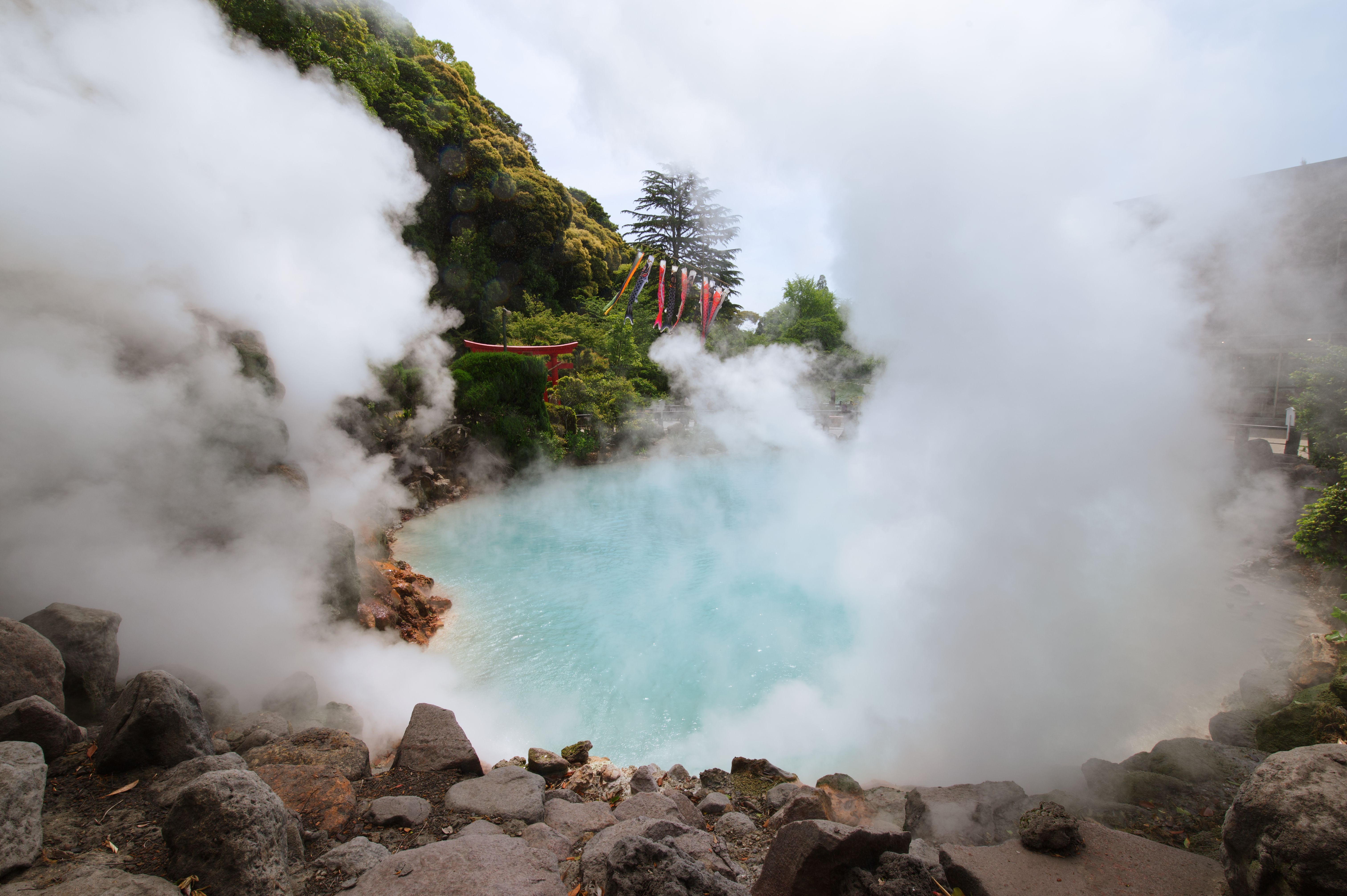
Sukayu Onsen sits at the foot of Mt Hakkoda and has been there 300+ years for one reason: the sulfur water fixes tired hikers.
The main draw is "Sen-nin-buro" — the 1000-person bath. A massive wooden hall with 4 pools, mixed gender with swimwear. The water is milky white, smells strongly of sulfur, and stays ~42°C year-round.
It's rustic, loud with steam, and feels like old Japan. Less "pretty onsen" and more "functional, historic, unforgettable."
- Day bath: ¥1,000 — go early before buses arrive
- Perfect after Oirase + Hakkoda hikes — your legs will thank you
You Don't Drive to the National Park.
You Sleep Inside It.
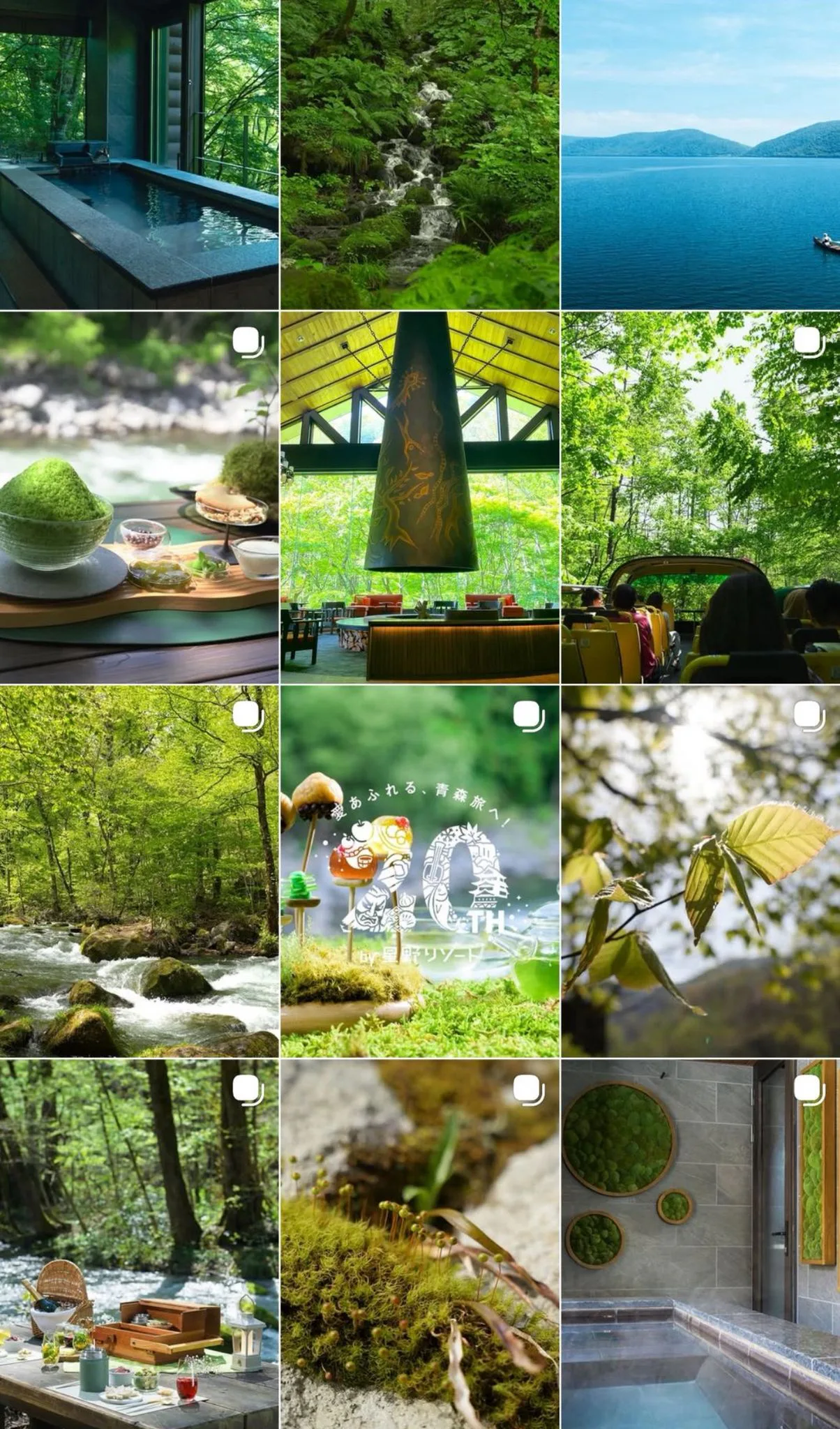
Hoshino Resorts took over the only hotel inside Towada-Hachimantai National Park and turned it into a base for "forest therapy."
Every room faces the Oirase River, so you fall asleep to rushing water. Floor-to-ceiling windows. Timber interiors. No TV in rooms — on purpose. You're here to listen to the water.
- Kaiseki dinner with Aomori ingredients — sansai, Hiba trout, Iwate beef
- 4pm free nature guide walk with staff naturalists
- River-view onsen baths open late
- Step onto the gorge trail in slippers — no car needed
The Forest Doubles Itself.
And It's Showing Off Just For You.
Tsutanuma Pond is a 2km forest loop 20 minutes from Oirase Gorge, famous for one thing: perfect reflections. The pond is ringed by 300-year-old beech and cedar trees. On calm mornings, the water becomes a mirror and the forest doubles itself.
In May, it's fresh green leaves, soft light, and no crowds yet. The reflection is clearest before 9am when there's no wind. A wooden boardwalk circles the pond in one hour.
Autumn gets all the photos. But May has something autumn doesn't: still water, new leaves, and the smell of moss after snowmelt.

Must-Eat Food in Aomori 🍎
Known as the “Food Kingdom of the North,” Aomori combines clean cold waters, rich volcanic soils, and traditional soul food to create an incredible culinary landscape.
🍎 1. Apples & Apple Dishes
Aomori produces 60% of Japan’s apples. You will find “Ringo” everywhere!
- Apple Pie Try the signature warm apple pie dessert at the famous Ringo Kitchen inside Oirase Keiryu Hotel.
- Apple Juice & Cider Freshly pressed, crisp local juices and craft ciders. Available complimentary in the hotel lounge or direct from local family orchards.
- Apple Curry A beautiful culinary surprise. The natural sweet apples perfectly balance the rich, spicy elements of slow-simmered Japanese savory curry.
🐟 2. Cold-Water Seafood
Chilled currents from the Tsugaru Strait mean some of Japan's sweetest, highest-grade catches.
- Mutsu Bay Scallops (Hotate) Massive, buttery-sweet scallops served raw as melt-in-your-mouth sashimi or grilled over hot coals. Peak season: May–June.
- Nokke-don (Aomori Fish Market) A fun custom adventure: buy a ticket sheet, wander the market stalls, and pile fresh sashimi onto your hot rice bowl.
- Hachinohe Squid (Ika) & Uni Ultra-fresh squid sashimi and rich, creamy Sea Urchin (Uni) harvested directly from the rocky western Tsugaru coast.
🍲 3. Local Comfort Classics
Traditional, comforting country dishes designed to warm you up after mountain adventures.
- Senbei-jiru Aomori's ultimate soul food. A savory chicken and vegetable broth with local wheat crackers that soften beautifully while soaking up the soup. Served at the Ringo Kitchen buffet.
- Jappa-jiru & Ichigo-ni Fisherman's style salmon & miso soup, alongside premium sea urchin and abalone clear broth (Ichigo-ni) from the rocky shores.
- Local Garlic Specials Aomori produces 70% of Japan's garlic. Try rich garlic ramen or the legendary garlic ice cream if you are feeling bold!
⛰️ 4. Near Oirase Keiryu Hotel & Lake Towada
Premium, deeply marbled local beef. Available at the signature hotel dinners or specialized steak houses in Towada City.
Fresh mountain trout caught from the crystal-clear Oirase Stream, salt-grilled on skewers over slow charcoal embers at local minshuku.
A legendary local B-grade gourmet masterpiece featuring tender sliced beef or pork sauteed with mountains of sweet onions in a sweet soy-miso glaze.
🍶 5. Authentic Regional Drinks
Savor local champions like the famous “Denshokan” from the historic Saito Brewery in Hirosaki, as well as light, refreshing dessert sakes beautifully infused with crisp Aomori apple essences.
Aomori's modern craft ciders are crisp, elegant, dry, and clean — presenting a more refreshing, apple-forward body than traditional sweet French ciders.
💡 Pro-Tip for the May Season
Visiting in May grants you the rare perfect storm of peak scallop season and fresh, crispy sansai (wild mountain vegetables) hand-foraged after the snowmelt!
✨ Where to eat: Your Oirase Keiryu Hotel buffet has hot senbei-jiru and delicate apple dishes waiting for you. For an unforgettable local lunch, make a stop at the lakeside tavern “Lake Towada Himemasu Sanso” for their famous grilled yamame trout.